
Basements in Delaware homes are often exposed to moisture from rainfall, humidity, and changing soil conditions. Because basement walls sit directly against the surrounding ground, they are especially vulnerable to water intrusion. Over time, moisture can seep through porous concrete or small cracks, leading to damp walls, mold growth, and structural concerns. Even minor leaks can worsen if they are not addressed early.
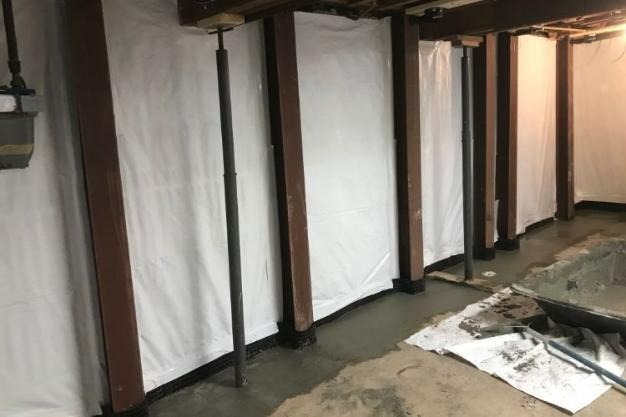
Homeowners may notice musty odors, wall stains, or peeling paint in basements. These signs often indicate moisture entering through the foundation walls. Basement Wall Waterproofing helps prevent water intrusion by sealing vulnerable areas and creating a protective barrier. By addressing moisture at the wall level, homeowners can reduce the risk of long-term damage and maintain a dry basement environment.
Moisture around basement walls can lead to mold growth, structural damage, and reduced indoor air quality if not addressed early. Choosing Delaware waterproofing solutions can help keep your basement dry, protect your foundation, and prevent long-term water damage.
Why Basement Walls Are Vulnerable to Moisture
Basement walls are constantly exposed to soil and groundwater. When heavy rain saturates the ground, water pressure builds against foundation walls. This pressure, known as hydrostatic pressure, can push moisture through cracks and porous concrete. Over time, this repeated exposure may lead to damp conditions inside the basement.
Poor drainage around the home can increase moisture levels near the foundation. If water is not properly directed away, it may collect near basement walls. Seasonal temperature changes can also contribute to soil expansion and contraction, which may create small cracks. These openings allow water to enter more easily.
Basement Wall Waterproofing helps reduce these risks by sealing walls and preventing moisture from penetrating. Controlling water at the foundation helps protect structural components.
Early Warning Signs of Water Damage
Moisture problems often develop gradually. Recognizing early warning signs helps homeowners address issues before damage spreads. Many symptoms appear directly on basement walls.
Common signs include damp patches, discoloration, or peeling paint. White residue, called efflorescence, may appear when moisture evaporates from concrete. Musty odors may also develop as humidity increases. Small cracks in basement walls can also signal water intrusion.
Homeowners may also notice increased humidity in the basement. Items stored near walls may feel damp. These indicators suggest that water is entering through foundation walls. Addressing these signs early helps prevent more serious damage.
How Basement Wall Waterproofing Works
Basement wall waterproofing focuses on creating a barrier that prevents moisture from entering. This process often includes sealing cracks and applying protective coatings to walls. These coatings help block water from penetrating the concrete surface.
Waterproofing may also involve improving drainage around the foundation. Redirecting water away from the home reduces pressure on basement walls. Sealing joints and gaps helps eliminate pathways for moisture.
Once waterproofed, basement walls remain dry even during heavy rain. Basement Wall Waterproofing helps control humidity and maintain a more stable environment. This reduces the likelihood of recurring water issues.
Preventing Structural Damage
Water intrusion can weaken foundation materials over time. Moisture may cause cracks to expand and concrete to deteriorate. As damage progresses, structural alignment may be affected. Floors above the basement may become uneven, and walls may develop additional cracks.
Waterproofing helps prevent these problems by stopping moisture at the source. Keeping basement walls dry helps maintain the strength of foundation materials. This reduces the risk of structural movement.
By protecting the foundation, homeowners can avoid costly repairs. Maintaining dry conditions supports long-term stability.
Reducing Mold and Mildew Growth
Damp basement walls create an environment where mold and mildew can develop. Even small amounts of moisture can increase humidity levels. Mold growth may affect air quality throughout the home and create unpleasant odors.
Waterproofing helps reduce humidity by preventing moisture entry. Dry walls make it harder for mold to grow. This improves indoor air quality and creates a healthier environment.
Basement Wall Waterproofing also protects stored items from moisture damage. Keeping walls dry helps preserve belongings and finishes.
Improving Basement Usability
A dry basement provides more usable space. Homeowners can use the area for storage, recreation, or additional living space. Moisture-free environments help protect flooring, furniture, and stored items.
Waterproofing basement walls helps maintain comfortable conditions. Reduced humidity makes the basement more practical for everyday use. Homeowners can use the space without worrying about water damage.
Dry basements also improve overall home comfort. Controlling moisture benefits the entire structure.
Long-Term Benefits of Basement Wall Waterproofing
Waterproofing basement walls offers several long-term advantages. Once moisture is controlled, homeowners often notice improved air quality and reduced maintenance needs. Structural components remain stronger and more stable.
Dry conditions help prevent mold growth and protect building materials. Waterproofing may also help maintain property value. Buyers often prefer homes with moisture protection already in place.
Basement Wall Waterproofing is a proactive solution. It helps prevent recurring water problems and supports long-term durability.
When to Consider Basement Wall Waterproofing
Homeowners should consider waterproofing when signs of moisture appear. Damp walls, musty odors, or peeling paint often indicate water intrusion. Early action helps prevent structural damage and mold growth.
Waterproofing may also benefit homes in areas with heavy rainfall. Properties with older foundations may require additional protection. A professional evaluation can determine the best approach.
Taking action early helps maintain a dry basement. Waterproofing is most effective before major damage occurs.
Conclusion
Basement walls in Delaware homes are vulnerable to moisture from soil and rainfall. Over time, water intrusion can lead to mold growth, structural concerns, and reduced usability. Recognizing early warning signs helps homeowners take proactive steps.
Basement wall waterproofing helps block moisture, reduce humidity, and protect foundation materials. By addressing water issues early, homeowners can maintain dry and stable basements. Long-term protection helps preserve comfort and property value.
If you’re noticing damp walls, musty odors, or signs of water intrusion, it may be time to take action. The experienced team at Delaware Basement Waterproofing provides professional solutions designed to prevent basement water damage. Contact Delaware Basement Waterproofing today to learn how basement wall waterproofing can help keep your basement dry and protected.