
Foundation problems are often associated with one obvious warning sign: cracks. A homeowner notices a line running across a basement wall or through drywall and immediately starts wondering what is happening beneath the house. Cracks deserve attention, but they are only one part of the story.
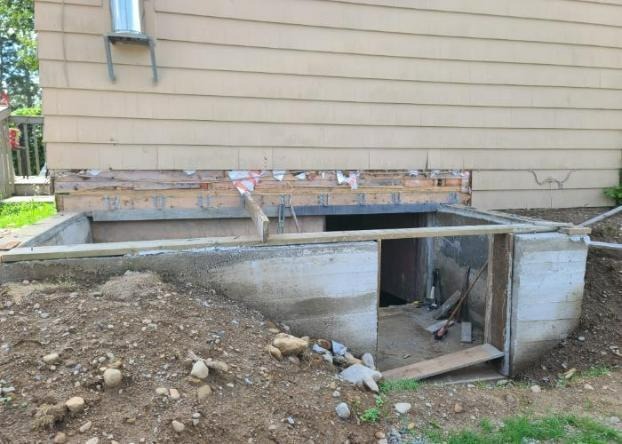
In 2026, more homeowners are noticing smaller changes that may appear before serious structural damage becomes obvious. House foundation repair often starts with noticing changes in floors, doors, drainage, moisture, and soil conditions, rather than waiting for a major crack to form.
Knowing what to watch for makes foundation maintenance less intimidating. Small changes don’t always mean a major problem, but they can offer useful clues about how a home is settling and how the ground beneath it is behaving.
Foundation Problems Can Appear Without Major Cracks
A foundation supports nearly every part of a home. When one section begins to move differently from another, the effects may show up throughout the structure.
Doors may begin sticking even though they worked normally a few months earlier. Windows may become harder to open. Floors can develop slight slopes, and gaps may appear between walls, trim, cabinets, or ceilings.
One unusual symptom does not automatically point to foundation failure. Homes naturally expand, contract, and settle over time. The bigger concern is often a group of changes appearing together or gradually worsening.
Homeowners can make these changes easier to track by taking photos and writing down when they first appeared. Comparing those notes over several months may reveal patterns that are easy to miss during everyday life.
Soil Conditions Matter More Than Many People Realize
The foundation may be made of concrete, masonry, or another strong material, but it still depends on the soil beneath it.
Soil changes as moisture levels rise and fall. Some soils expand when they absorb water and shrink as they dry. Repeated cycles of expansion and contraction may create uneven support beneath different parts of a house.
Erosion may also remove soil from areas near the foundation. Poorly compacted fill can settle, while large tree roots may affect moisture levels in the surrounding ground.
These changes are often hidden. By the time movement becomes obvious inside the home, the soil beneath the structure may have been changing for months or even years.
That is one reason a professional evaluation should look beyond the visible symptom. Effective foundation repair starts with understanding why movement is occurring, not simply covering a crack.
Drainage Problems Can Put Extra Stress on a Foundation
Water management plays an important role in foundation performance.
Heavy rainfall, overflowing gutters, short downspouts, and poor grading can let water collect near the house. Saturated soil can put additional pressure on foundation walls and may contribute to settlement or movement.
Homeowners should pay particular attention to areas where water pools after storms. Soil around the house should generally direct water away from the foundation, not toward it.
Simple maintenance may make a meaningful difference. Keeping gutters clear, extending downspouts, correcting low spots, and checking for moisture in the basement or crawl space can reduce unnecessary water buildup.
The Federal Emergency Management Agency provides information on protecting homes from water and flood-related damage, including ways to improve drainage around structures. More information is available through FEMA.
Watch Floors, Doors, and Windows for Gradual Changes
Some foundation warning signs appear inside the home long before an exterior crack becomes noticeable.
A door may suddenly rub against its frame. A window that once opened smoothly may start sticking. Furniture might seem uneven because a section of flooring has developed a slight slope.
Other signs may include diagonal drywall cracks near windows, gaps between baseboards and flooring, or separation where walls meet ceilings.
Again, context matters. A single sticking door during humid weather may have nothing to do with the foundation. Several doors becoming misaligned while new wall cracks appear deserves more attention.
The important step is noticing change. Homeowners do not need to diagnose the cause themselves. Their role is to recognize that something is different and decide when an evaluation makes sense.
Cosmetic Repairs Do Not Always Solve Structural Problems
It is tempting to patch a crack and assume the problem is solved. Sometimes that’s enough, especially when the crack is minor and stable.
However, repeatedly repairing the same area may indicate ongoing movement.
A foundation contractor or structural professional may consider the damage location, foundation type, drainage conditions, soil behavior, and movement pattern before recommending a solution.
Depending on the cause, house foundation repair may involve foundation stabilization, piers, wall reinforcement, drainage improvements, or crack treatment. The right approach depends on what is happening beneath and around the structure.
That is why homeowners should be cautious about assuming that every visible crack requires the same repair method.
Ask Questions During a Foundation Evaluation
Homeowners can learn a great deal by asking clear questions during an inspection.
Instead of focusing only on cost, ask what appears to be causing the movement. Find out whether the problem looks active or whether it may have occurred years ago and stabilized.
It is also useful to ask which areas of the foundation are affected and why a particular repair method is being proposed.
Other good questions include how the repair will be monitored, what maintenance may be needed afterward, and what type of warranty applies.
A clear explanation should connect the proposed repair to the underlying problem. Understanding that connection makes it easier to compare options and make informed decisions.
Small Changes Are Worth Watching, Not Panicking Over
Foundation concerns can feel stressful because the structure supports the entire home. Still, many warning signs don’t automatically mean major structural damage.
The best response is usually to observe, then seek a professional evaluation if changes continue or several symptoms appear together.
Early attention may uncover a drainage issue, moisture problem, or localized area of settlement before it becomes more complicated.
In some cases, monitoring is enough. In others, catching movement early can make foundation repair easier to plan.
Awareness gives homeowners more information, which is far more useful than waiting until a problem becomes impossible to ignore.
Make Foundation Checks Part of Regular Maintenance
Foundation awareness does not require complicated equipment.
A few times each year, walk around the exterior of the house and look for new cracks, standing water, soil erosion, or gaps around walls and windows. Check that gutters are flowing properly and that downspouts direct water away from the structure.
Inside the house, notice changes in floors, doors, windows, walls, and ceilings.
Taking a few photos during each inspection creates a simple visual record. If a professional evaluation is needed later, those images may provide helpful information about how quickly conditions have changed.
Look Beyond the Crack
Visible cracks are one of the easiest foundation warning signs to spot, but they shouldn’t be the only thing homeowners watch.
Soil movement, drainage problems, moisture changes, uneven floors, sticking doors, and shifting walls may all signal what is happening beneath a home.
Paying attention early lets homeowners gather information, fix maintenance problems, and seek professional guidance before conditions worsen.
Modern house foundation repair is less about reacting to one crack and more about understanding the entire structure, the soil supporting it, and the water moving around it.
If you have noticed foundation cracks, uneven floors, sticking doors, drainage issues, or other changes around your home, Florissant Foundation Repair Pros can evaluate the problem and explain your repair options. Learn more or request an evaluation at https://foundationrepairflorissant.com/.