
A small crack near a window or a door that suddenly sticks might seem like a minor household issue. However, these changes sometimes point to something happening beneath the surface. The soil supporting a home’s foundation is constantly responding to moisture, temperature, and environmental conditions. When that soil moves unevenly, the structure above it may begin to shift.
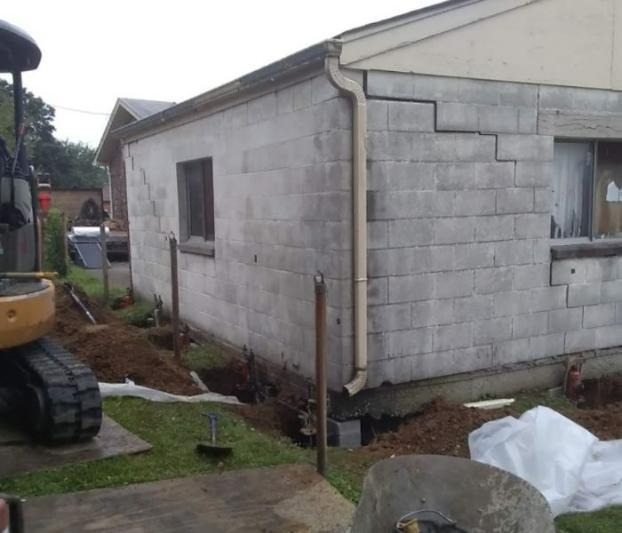
Changing weather patterns, heavy rainfall, extended dry periods, and aging drainage systems are raising concerns about foundation stability. Although foundation movement isn’t new, these conditions may increase risk for certain properties.
Foundation repair companies are paying closer attention to how changing soil conditions and unpredictable weather affect residential foundations. Understanding these factors helps residents spot warning signs and act before minor problems become expensive repairs.
Why the Ground Beneath Homes is Constantly Changing
A foundation depends on the soil beneath it for support. However, soil isn’t always as stable as it appears. Its ability to support a structure depends on moisture levels, composition, and how well it was compacted during construction.
Clay-rich soil is particularly sensitive to moisture changes. During rainy periods, it absorbs water and expands. When conditions become dry, it loses moisture and shrinks. This repeated movement may create uneven pressure beneath a foundation.
Different sections of a property may also contain different soil types. One area might remain firm while another settles, causing parts of the foundation to move at different rates.
According to the U.S. Geological Survey (USGS), expansive soils may swell and shrink as moisture conditions change, potentially damaging buildings and other structures.
Understanding local soil conditions is key to identifying potential foundation problems.
How Extreme Weather Contributes to Foundation Movement
Weather plays a major role in soil stability. Heavy rainfall and prolonged drought create different challenges, but both can contribute to foundation movement.
Heavy Rainfall and Saturated Soil
During extended periods of rain, the ground absorbs significant amounts of water. When soil becomes saturated, some soil types lose strength, while others expand and put additional pressure on foundation walls.
Poor drainage makes these conditions worse. Water that collects near a house can contribute to soil erosion, basement leaks, and uneven settlement.
Extended Dry Periods and Soil Shrinkage
Drought creates the opposite problem. As moisture disappears, clay-rich soils contract, sometimes leaving gaps beneath sections of the foundation.
When rain eventually returns, the soil expands again. Repeated cycles of shrinking and swelling may gradually affect structural stability.
Foundation repair companies often examine local weather patterns and moisture conditions when investigating signs of settlement or movement.
The Hidden Role of Aging Drainage Systems
Water management is one of the most overlooked factors affecting foundation stability. Even a well-built house may experience problems when drainage systems stop functioning properly.
Clogged gutters allow rainwater to overflow near exterior walls. Damaged downspouts may release large amounts of water right beside the foundation, while improper grading lets runoff collect against the structure.
Underground plumbing leaks present another concern. A leaking pipe may continuously saturate surrounding soil without producing obvious warning signs inside the house.
Fortunately, routine maintenance can manage many drainage concerns.
Cleaning gutters, repairing damaged downspouts, and checking the slope of the surrounding ground may reduce excess moisture near the foundation. Plumbing inspections are also worthwhile if you notice unexplained wet spots or unusually high water bills.
Warning Signs That a Foundation May Be Shifting
Foundation movement doesn’t always produce dramatic damage. In many cases, the earliest symptoms appear as small changes around the house.
Changes Inside the Home
Several interior warning signs deserve attention:
- Cracks near doors and windows: Diagonal cracks may develop as parts of the structure move unevenly.
- Sticking doors and windows: Shifting frames can make them difficult to operate.
- Uneven floors: Sloping or dipping surfaces sometimes indicate settlement beneath the structure.
- Gaps around trim: Separation between walls, ceilings, and molding may develop as movement continues.
Changes Around the Exterior
Outside, stair-step cracks in brickwork, widening foundation cracks, and separation between attached structures may indicate movement.
However, not every crack represents serious damage. Normal material expansion, temperature changes, and minor settlement may produce similar symptoms.
Foundation repair companies evaluate the location, size, and progression of these changes to better understand what is happening beneath the structure.
Why Newer Homes Are Not Immune to Foundation Problems
It’s easy to assume foundation problems mainly affect older houses. However, newer construction can also move when soil conditions or site preparation create uneven support.
Before construction begins, evaluate and prepare the soil for the planned structure. Poorly compacted fill may settle after the building is completed, potentially affecting foundation alignment.
Expansive soils present additional challenges. Without appropriate foundation design and moisture management, seasonal soil movement can stress newer structures.
Landscaping changes also matter. Installing patios, changing yard elevations, or redirecting runoff may alter how water moves around the property.
Some settlement is expected in residential construction. The important distinction is between minor changes that stabilize and ongoing movement that produces additional damage.
Monitoring cracks and documenting changes over time provides useful information when a professional evaluation is needed.
How Modern Foundation Evaluations Identify Problems Earlier
A foundation inspection involves more than examining visible cracks. Professionals consider several factors to determine why movement may be occurring.
These evaluations may include measuring floor elevations, examining drainage patterns, inspecting foundation walls, and reviewing soil conditions.
Elevation measurements may reveal differences across the structure, while crack monitoring may show if movement continues over time.
Foundation repair companies use this information to identify possible causes and determine which corrective measures deserve consideration.
Some properties may benefit from improved drainage or soil moisture management. Others may require structural stabilization.
For certain settlement problems, steel push piers or helical piers may transfer structural loads to more suitable supporting soil or rock. However, these systems aren’t appropriate for every situation.
A qualified structural engineer may be needed to evaluate significant movement and develop a suitable repair plan.
Practical Ways to Reduce Foundation Movement Risks
Although every property has different soil and structural conditions, routine maintenance may lower the risk of moisture-related problems.
Consider these practical steps:
- Clean gutters regularly to prevent overflow near exterior walls.
- Extend downspouts to direct runoff away from the foundation.
- Monitor existing cracks and record any changes you notice.
- Inspect plumbing connections for leaks or unusual moisture.
- Check landscaping for areas where water collects after rainfall.
- Arrange an evaluation when structural symptoms continue to develop.
Noticing small changes early is often easier than waiting until movement causes widespread damage.
Conclusion
Shifting foundations are influenced by several connected factors, including soil composition, changing weather, drainage conditions, and construction practices. Heavy rainfall and drought can add stress, especially in areas with moisture-sensitive soils.
Recognizing warning signs early gives residents more opportunities to investigate problems before they become severe. Regular maintenance, effective drainage, and professional evaluations help protect a home’s structural condition.
If you’ve noticed widening cracks, uneven floors, or other signs of foundation movement, Expert Foundation Repair Muncie is ready to discuss your concerns. Contact us to schedule a foundation assessment, explore suitable repair options, and take the next step toward a more stable home.