
Every home has a story, and some of its most interesting chapters are hidden beneath the surface. While walls, floors, and ceilings show everyday wear, the foundation holds clues about decades of soil movement, changing weather, and past construction decisions. Small cracks, uneven floors, and moisture stains may reveal more about a property’s history than you might expect.
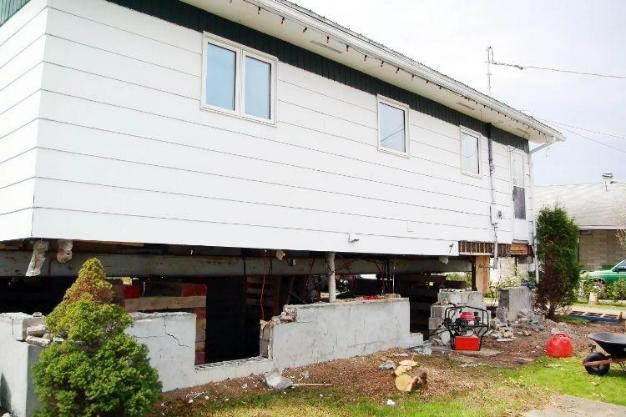
Over time, homes change naturally as the ground beneath them shifts. Heavy rainfall, dry weather, renovations, and aging materials all influence structural stability. Some changes are harmless, while others point to conditions that deserve closer attention.
Understanding these clues makes house foundation repair in Terre Haute more than a structural project. It becomes an opportunity to learn what your home has experienced, identify ongoing concerns, and make informed decisions to protect its future.
Your Foundation Tells Itself a Story About the Ground Beneath
The ground beneath a house is constantly responding to environmental conditions. Soil expands, contracts, settles, and shifts depending on moisture levels, composition, and surrounding activity. These changes may happen gradually, leaving subtle signs that become noticeable years later.
Clay-rich soil is particularly sensitive to moisture. During wet periods, it absorbs water and expands. When conditions become dry, the soil shrinks, sometimes leaving gaps beneath foundation sections. Repeated cycles may contribute to uneven settling and structural movement.
In Terre Haute, Indiana, soil conditions vary by property, so drainage and ground stability matter. Older homes may show signs of movement that occurred long before the current residents moved in.
A foundation inspection may reveal patterns that suggest gradual settlement, changes in soil support, or moisture-related movement. Understanding these conditions provides valuable context when deciding how to maintain or repair the structure.
Cracks and Uneven Floors Offer Clues About Past Problems
Foundation cracks are among the most visible signs of structural movement, but they don’t always tell the full story. Some develop as concrete cures, while others result from shifting soil, pressure, or uneven settlement.
Different crack patterns may provide clues about what happened beneath the home:
- Diagonal cracks: May develop when one foundation section settles differently from another.
- Horizontal cracks: Sometimes indicate soil or water pressure pushing against basement walls.
- Stair-step cracks: Often follow mortar joints in masonry foundations and may suggest movement.
- Sloping floors: May result from foundation settlement, weakened framing, or changes in structural support.
The location, width, and progression of these warning signs matter. A small crack that remains unchanged for years may be less concerning than one that continues widening.
Professional house foundation repair starts with investigating the underlying cause rather than simply covering visible damage. Taking photographs and tracking changes over time gives inspectors useful information about how the structure is behaving.
Water Damage Reveals How Your Home Handled Past Storms
Water leaves evidence long after a storm passes. Basement stains, mineral deposits, and deteriorating masonry may reveal years of moisture exposure that went unnoticed.
Poor drainage often contributes to foundation problems. When gutters overflow or downspouts release water too close to the house, moisture may collect around foundation walls. Improper grading may also direct runoff toward the structure instead of away from it.
Several warning signs suggest a history of moisture problems:
- White, powdery deposits on concrete or masonry walls
- Dark stains near basement floors or foundation joints
- Musty odors in crawl spaces and unfinished basements
- Peeling paint, deteriorating mortar, or damp surfaces
Repeated moisture exposure may contribute to material deterioration and changes in surrounding soil conditions.
The U.S. Environmental Protection Agency explains why controlling moisture helps prevent mold growth and maintain healthier indoor conditions.
Checking basements and crawl spaces after heavy rainfall lets you identify leaks before they cause additional problems.
Previous Repairs Reveal How a Home Has Changed Over Time
Older homes sometimes contain visible evidence of previous structural work. Patched cracks, reinforced walls, steel supports, and installed foundation piers may indicate that earlier residents dealt with settlement or structural concerns.
These repairs are part of the property’s history, but they don’t automatically mean the home is unsafe. In many cases, properly completed repairs provide lasting structural support.
However, it’s important to understand why previous work was performed. A repaired crack may have resulted from temporary settlement, while installed support piers may indicate more significant ground movement.
Before planning additional foundation repairs, review available records to find valuable details about earlier work.
Useful documents include inspection reports, building permits, contractor invoices, repair warranties, and engineering evaluations. These records may explain which areas were repaired, what materials were used, and if any ongoing maintenance was suggested.
When records are unavailable, a qualified structural professional may evaluate existing repairs and determine if additional investigation is necessary.
Renovations and Additions Leave Their Mark on a Foundation
Home renovations don’t always affect the foundation, but major structural changes sometimes create new demands on the original support system.
Room additions, converted garages, and load-bearing wall modifications can change how weight is distributed across a structure. If these projects weren’t properly designed, certain foundation sections may experience additional stress.
Differences between old and new construction may also become visible over time. An addition built on a separate foundation might settle at a different rate than the original house.
Cracks near connecting walls, uneven flooring between rooms, and separation around doorframes may suggest movement where two structures meet.
These conditions don’t necessarily mean the renovation was completed incorrectly. However, they suggest investigating how different foundation sections interact.
Reviewing construction records and evaluating structural support before major remodeling projects may prevent avoidable complications.
Understanding the Past Makes Future Foundation Problems Easier to Prevent
A home’s structural history offers useful lessons about maintaining its foundation. Once residents identify recurring moisture problems, soil movement, or past repairs, they can take practical steps to reduce future risks.
Regular maintenance helps protect foundation stability.
Consider these preventive measures:
- Redirect downspouts to move roof runoff away from foundation walls.
- Monitor existing cracks and record noticeable changes in width or length.
- Maintain proper grading so surface water flows away from the house.
- Inspect crawl spaces and basements for dampness, standing water, or deteriorating materials.
- Review nearby landscaping for drainage changes and tree roots that may affect surrounding soil.
- Request a professional evaluation when you notice new structural movement.
Depending on the cause and severity of damage, house foundation repair may involve installing support piers, stabilizing weakened sections, reinforcing walls, or correcting drainage conditions.
Some problems require structural intervention, while others may be managed through maintenance and moisture control. A thorough assessment determines the right approach.
Identifying changes early may also provide more repair options before damage becomes extensive.
Conclusion
A foundation does more than support a house. It preserves evidence of changing soil conditions, past storms, renovations, and structural repairs. Cracks, moisture stains, and uneven surfaces offer clues about what a property has experienced over the years.
Understanding these signs allows residents to distinguish normal aging from potential structural concerns. Regular inspections, proper drainage, and timely maintenance help strengthen the foundation and protect your home for the future.
Your home’s history deserves attention, especially when signs of structural movement begin to appear. Expert Foundation Repair Terre Haute provides professional foundation inspections and repair solutions for properties experiencing cracks, settlement, and other structural concerns. Contact Expert Foundation Repair Terre Haute today to discuss your home’s condition, explore available repair options, and take the next step toward lasting structural stability.