
A kitchen renovation is one of the most exciting upgrades homeowners can plan. The kitchen is often the center of daily activity, used for cooking, gathering, and spending time with family. Updating this space can improve both functionality and comfort. However, remodeling a kitchen involves multiple steps, including planning, design, material selection, and construction. Understanding the process helps homeowners prepare for a smoother experience.
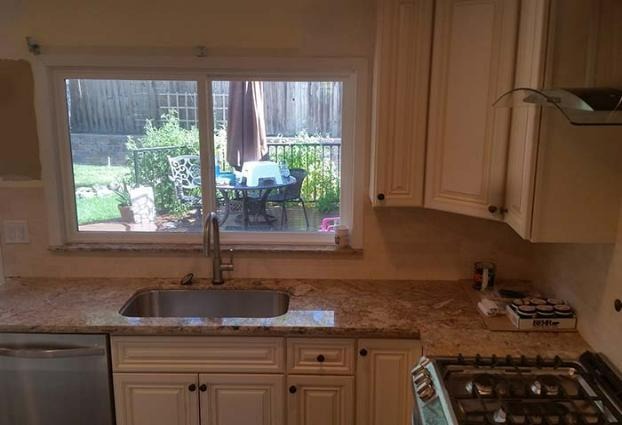
Many homeowners choose to work with professionals to guide the renovation. Kitchen Remodeling Contractors help manage the project, coordinate timelines, and ensure the design meets both style and functional goals. With the right team and clear expectations, the remodeling process becomes more organized. Planning ahead helps reduce stress and improve results.
Knowing what to expect when working with kitchen remodeling contractors in Boise allows homeowners to feel more confident throughout the renovation process. Proper preparation and clear communication help support a smooth and successful kitchen upgrade.
Initial Consultation and Project Goals
The remodeling process typically begins with an initial consultation. During this stage, homeowners share ideas, goals, and preferences for the kitchen. This may include layout changes, storage improvements, or updated finishes. Establishing clear goals helps guide the project from the beginning.
Contractors may review the current kitchen and identify areas for improvement. They may discuss workflow, cabinet placement, and lighting options. This evaluation helps shape the renovation plan. A well-defined scope keeps the project organized.
Kitchen Remodeling Contractors use this stage to understand priorities. Clear expectations help create a focused plan.
Design Planning and Layout Development
After the consultation, the design phase begins. This stage focuses on creating a layout that improves functionality. Homeowners may review options for cabinets, countertops, and appliances. Planning the layout helps maximize space.
Design planning also considers workflow. Proper spacing between appliances improves efficiency. Storage solutions may be added to improve organization. Lighting placement helps enhance usability.
Kitchen Remodeling Contractors guide design decisions. Thoughtful planning helps create a practical and visually appealing kitchen.
Material Selection and Finishes
Selecting materials is an important part of the renovation. Homeowners choose cabinets, countertops, flooring, and fixtures. These elements influence both durability and appearance. Coordinating finishes helps create a cohesive look.
Contractors may recommend materials based on preferences and lifestyle needs. Durable surfaces may be suggested for high-use areas. Color coordination helps create a balanced design. Planning materials early helps prevent delays.
Well-chosen finishes enhance the final result. Quality materials support long-term performance.
Project Timeline and Scheduling
Understanding the project timeline helps homeowners prepare for construction. Kitchen remodeling typically involves several stages, including demolition, installation, and finishing work. Each step requires coordination. A clear schedule helps keep the project moving.
Contractors often outline the order of work. This may include removing old cabinets, updating plumbing, and installing new features. Scheduling helps reduce disruptions. Organized timelines support efficiency.
Kitchen Remodeling Contractors manage scheduling and coordination. Clear planning helps maintain progress.
Preparing for Construction
Before construction begins, homeowners typically prepare the kitchen area. Removing personal items helps protect belongings. Clearing countertops and cabinets allows contractors to work efficiently. Planning alternative meal arrangements may also be helpful.
Contractors may review final details before starting. This ensures expectations are clear. Proper preparation helps avoid delays. Organized spaces improve workflow.
Preparation helps streamline the remodeling process. Clear communication supports a smoother experience.
Construction and Installation Process
During construction, contractors begin implementing the design. This stage may include demolition, structural adjustments, and installation of new components. Each step builds toward the finished kitchen. Coordination helps maintain efficiency.
Cabinets are often installed first, followed by countertops. Plumbing fixtures and appliances are added later. Flooring and lighting complete the space. Finishing touches bring the design together.
Kitchen Remodeling Contractors oversee construction and installation. Professional coordination helps maintain quality.
Communication Throughout the Project
Communication is important throughout the renovation. Homeowners may have questions as the project progresses. Regular updates help maintain clarity. Open communication supports better decision-making.
Contractors may provide progress reports and timeline updates. Addressing concerns early helps avoid misunderstandings. Collaboration improves overall results. Staying informed helps reduce stress.
Working together helps keep the project organized. Clear communication supports a positive experience.
Final Walkthrough and Project Completion
Once construction is complete, a final walkthrough usually takes place. This step allows homeowners to review the finished kitchen. Contractors may ensure all components are installed properly. Minor adjustments can be addressed.
The walkthrough confirms that project goals were met. Reviewing details helps ensure satisfaction. Final inspections complete the renovation process. Homeowners can then begin using their updated kitchen.
A completed renovation improves both functionality and appearance. Updated kitchens enhance everyday living.
Benefits of Working With Kitchen Remodeling Contractors
Working with professionals provides several advantages. Contractors coordinate each stage of the renovation. This helps reduce stress for homeowners. Organized planning improves efficiency.
Professional guidance helps avoid common challenges. Contractors manage timelines and installation details. Quality workmanship improves durability. These benefits contribute to a successful renovation.
Kitchen Remodeling Contractors help streamline the entire process. Structured planning supports better outcomes.
Conclusion
Working with kitchen remodeling contractors helps simplify the renovation process from start to finish. From consultation to final walkthrough, each stage contributes to a successful outcome. Understanding what to expect allows homeowners to prepare for the experience. Proper planning helps reduce stress and improve efficiency.
Kitchen remodeling contractors help manage design, materials, and construction. Professional coordination improves organization and quality. With clear communication and preparation, homeowners can achieve a kitchen that enhances comfort and functionality.
If you’re planning a kitchen renovation and want a smooth, well-organized experience, professional guidance can help. The experienced team at North Star Kitchen and Bath Remodels provides dependable services tailored to your renovation goals. Contact North Star Kitchen and Bath Remodels today to learn how kitchen remodeling contractors can help transform your space.